
Blocked Drain Outside: Causes, Signs, and Professional Solutions
A blocked drain outside is one of the most common drainage problems faced by homeowners, commercial property owners, and facility managers. While an outdoor drain may seem like a minor issue at first, ignoring it can lead to foul odors, standing water, property damage, and even health risks. Understanding the causes, warning signs, and effective solutions can help you address the problem before it becomes a costly repair.
What Causes a Blocked Drain Outside?
Outdoor drains are exposed to various elements throughout the year. Unlike indoor drainage systems, they must handle rainwater, debris, dirt, and other materials that can easily create blockages.
Some common causes include:
1. Leaves and Garden Debris
Leaves, grass clippings, and small branches often accumulate inside outdoor drains, especially during windy weather. Over time, these materials form a dense blockage that restricts water flow.
2. Dirt and Sand Build-Up
Heavy rain can wash soil, sand, and mud into drainage systems. As these materials settle inside the pipes, they reduce the pipe’s capacity and eventually cause a blockage.
3. Grease and Wastewater
Outdoor drains connected to kitchens, restaurants, or commercial facilities may become clogged due to grease, oil, and food particles entering the drainage system.
4. Tree Root Intrusion
Tree roots naturally seek moisture and can enter small cracks in underground pipes. Once inside, roots continue growing and create severe blockages that require professional intervention.
5. Damaged or Collapsed Pipes
Older drainage systems may suffer from corrosion, cracks, or structural damage. A collapsed section of pipe can significantly restrict flow and cause recurring drainage issues.
Signs of a Blocked Drain Outside
Identifying a blocked drain outside early can prevent extensive damage. Watch for these common warning signs:
- Standing water around drain covers
- Slow drainage after rainfall
- Foul odors near outdoor drains
- Overflowing gullies or inspection chambers
- Water backing up into surrounding areas
- Increased insect activity around stagnant water
- Gurgling sounds from nearby drainage points
If you notice any of these symptoms, it is advisable to investigate the issue promptly.
Why You Should Not Ignore an Outdoor Drain Blockage
A blocked drain outside can lead to more serious consequences than many property owners realize.
Property Damage
Overflowing water can damage landscaping, driveways, patios, and building foundations. Prolonged water exposure may weaken structural elements and create costly repair requirements.
Health Risks
Stagnant water can attract mosquitoes, bacteria, and other harmful microorganisms. This creates an unhealthy environment for residents, employees, and visitors.
Unpleasant Odors
Blocked drains often produce strong sewage-like smells that affect outdoor and indoor living spaces. These odors can make a property uncomfortable and negatively impact its value.
Flooding During Heavy Rain
A partially blocked drain may seem manageable during dry weather but can quickly cause flooding during storms or periods of heavy rainfall.
How Professionals Clear a Blocked Drain Outside
Professional drainage specialists use advanced equipment and proven techniques to identify and remove blockages efficiently.
CCTV Drain Inspection
A drain camera survey allows technicians to inspect the inside of the pipe without excavation. This helps locate the exact blockage and identify any structural damage.
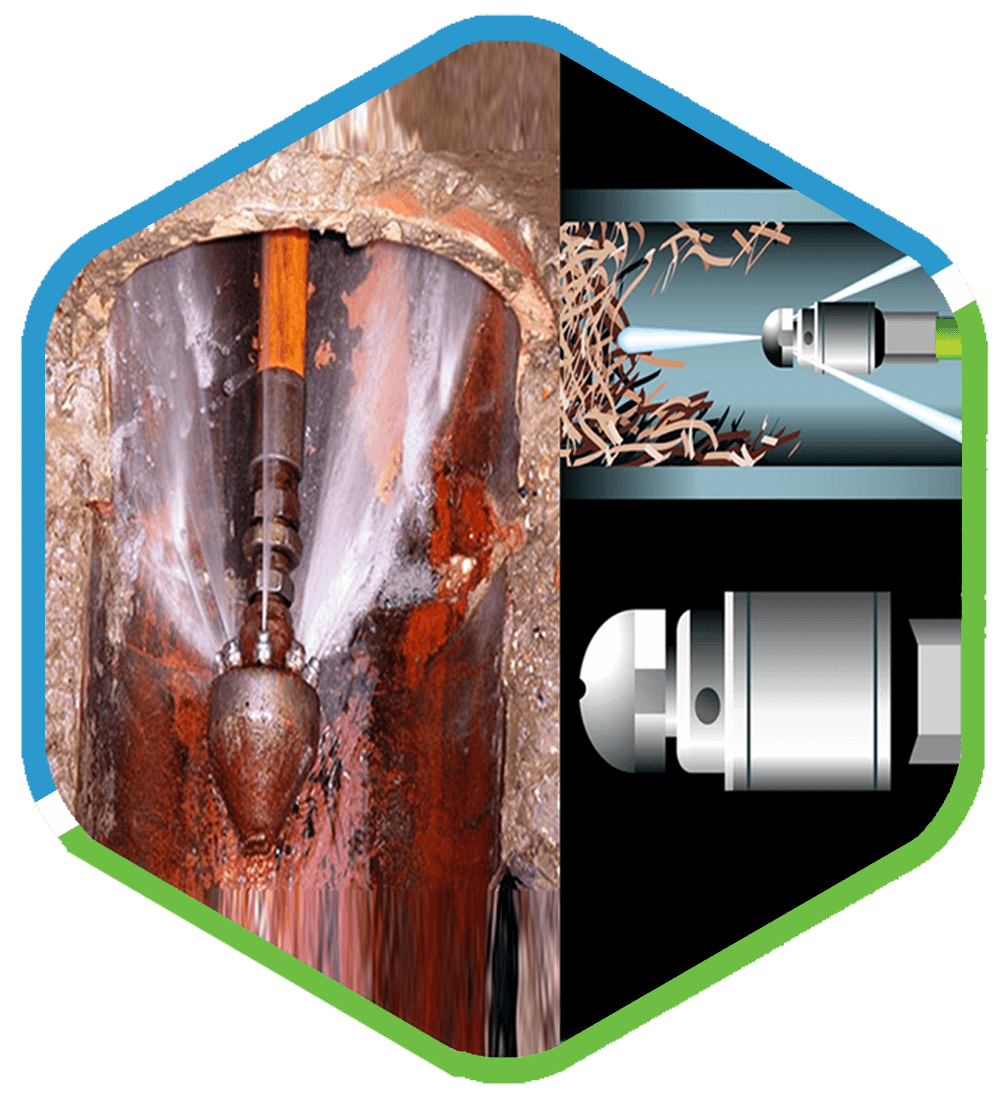
High-Pressure Water Jetting
Hydro jetting is one of the most effective methods for clearing outdoor drains. High-pressure water removes grease, debris, mud, and other obstructions while cleaning the pipe walls.
Mechanical Drain Cleaning
Specialized drain cleaning machines can break apart stubborn blockages and remove accumulated waste from the drainage system.
Root Removal Services
If tree roots are causing the issue, professionals use root-cutting equipment to remove the intrusion and restore proper flow.
Pipe Repair and Replacement
In cases where pipes are cracked or collapsed, repairs or replacements may be necessary to ensure long-term drainage performance.
Preventing Future Blocked Drain Outside
Preventative maintenance is the best way to avoid recurring drainage problems.
Regular Cleaning
Remove leaves, dirt, and debris from drain covers and surrounding areas regularly, particularly after storms.
Install Drain Guards
Drain guards help prevent large debris from entering the drainage system while allowing water to flow freely.
Schedule Routine Inspections
Periodic drain inspections can identify minor issues before they develop into major blockages.
Avoid Improper Disposal
Do not pour grease, oils, chemicals, or construction materials into drains, as these substances can contribute to severe blockages.
Professional Maintenance
Annual maintenance by a drainage specialist can significantly reduce the risk of emergency drainage problems.
When to Call a Drainage Expert
While minor debris can sometimes be removed manually, recurring blockages, bad odors, flooding, or slow drainage often indicate a deeper problem within the drainage system. Professional drainage contractors have the equipment and expertise needed to diagnose and resolve the issue safely and efficiently.
If your outdoor drain continues to overflow despite basic cleaning efforts, a CCTV inspection and professional drain cleaning service are strongly recommended.
Conclusion
A blocked drain outside can quickly escalate from a minor inconvenience to a major property issue if left untreated. Common causes include leaves, dirt, grease, tree roots, and damaged pipes. By recognizing the warning signs early and investing in professional drain cleaning and maintenance, property owners can prevent flooding, eliminate odors, and protect their drainage systems for the long term.
Whether you own a residential property, commercial building, or industrial facility, timely action is the key to keeping your outdoor drainage system functioning efficiently and avoiding expensive repairs.